Cost-Saving Solutions for Telecom Companies with Lidar Technology
- advancedtelecomsol
- Jul 13, 2025
- 5 min read
Telecom companies are always on the lookout for ways to cut costs while improving service quality. One innovative solution that has emerged is Lidar technology. This advanced tool can help telecom companies streamline operations, enhance network planning, and ultimately save money. In this blog post, we will explore how Lidar technology can be a game-changer for the telecom industry.
Lidar, which stands for Light Detection and Ranging, uses laser light to measure distances. It creates detailed 3D maps of the environment, which can be incredibly useful for telecom companies. By leveraging this technology, companies can optimize their infrastructure and improve their overall efficiency.
Understanding Lidar Technology
Lidar technology works by sending out laser pulses and measuring the time it takes for them to bounce back. This data is then used to create a precise 3D representation of the scanned area. The applications of Lidar are vast, but for telecom companies, the focus is primarily on network planning and maintenance.
Key Features of Lidar Technology
High Precision: Lidar can capture data with incredible accuracy, making it ideal for mapping and planning.
Speed: The technology can cover large areas quickly, reducing the time needed for surveys.
Versatility: Lidar can be used in various environments, from urban areas to rural landscapes.
These features make Lidar an attractive option for telecom companies looking to enhance their operations.
Cost-Effective Network Planning
One of the most significant benefits of Lidar technology is its ability to improve network planning. Traditional methods of planning telecom networks often involve extensive manual surveys, which can be time-consuming and costly. Lidar technology can streamline this process.
Efficient Site Selection
Using Lidar, telecom companies can identify the best locations for new towers or antennas. The detailed 3D maps created by Lidar allow companies to analyze terrain, vegetation, and existing infrastructure. This information helps in making informed decisions about where to place new equipment.
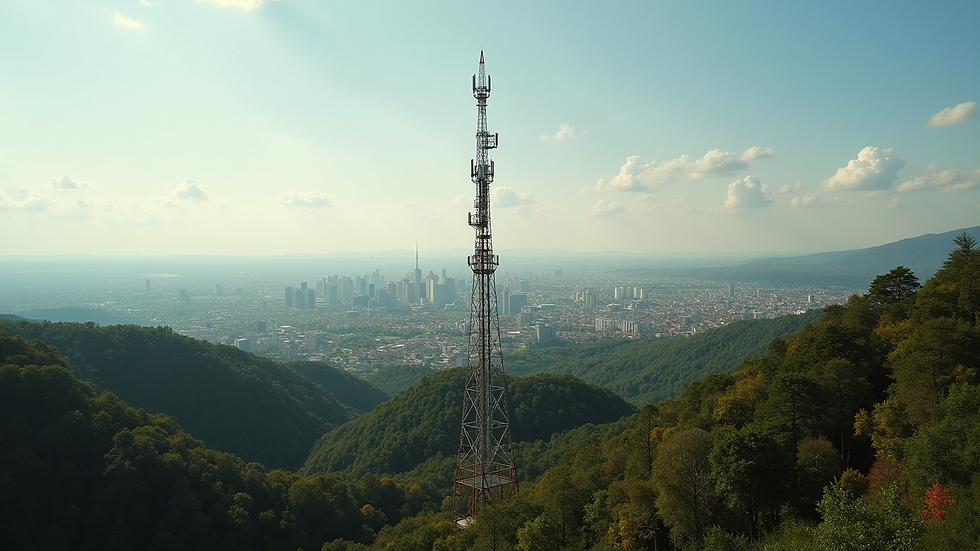
For example, a telecom company planning to expand its network in a mountainous region can use Lidar data to find flat areas that are less obstructed by trees or buildings. This not only saves time but also reduces the costs associated with site preparation.
Optimizing Existing Infrastructure
Lidar technology can also be used to assess existing infrastructure. By scanning current towers and antennas, telecom companies can identify areas that need maintenance or upgrades. This proactive approach can prevent costly outages and ensure that the network remains reliable.
For instance, if a telecom company discovers that a tower is leaning or that vegetation is encroaching on its signal, it can take action before these issues lead to service disruptions. This kind of preventive maintenance can save companies significant amounts of money in the long run.
Enhancing Network Performance
In addition to cost savings, Lidar technology can enhance network performance. By providing detailed information about the environment, Lidar helps telecom companies optimize their networks for better coverage and capacity.
Improved Signal Quality
Lidar can help identify obstacles that may interfere with signal transmission. By understanding the landscape, telecom companies can adjust the placement of antennas to minimize interference. This leads to improved signal quality for customers.
For example, if Lidar data reveals that a new building is blocking signals in a particular area, the telecom company can reposition antennas to ensure better coverage. This not only enhances customer satisfaction but also reduces the likelihood of service complaints.
Capacity Planning
As demand for data continues to grow, telecom companies must plan for increased capacity. Lidar technology can assist in this area by providing insights into population density and usage patterns. By analyzing this data, companies can make informed decisions about where to invest in additional infrastructure.
For instance, if Lidar data shows that a particular neighborhood has a high concentration of users, the telecom company can prioritize upgrades in that area. This targeted approach ensures that resources are allocated efficiently, leading to cost savings.
Streamlining Maintenance Operations
Another area where Lidar technology can save costs is in maintenance operations. Regular inspections of telecom infrastructure are essential, but they can be labor-intensive and expensive. Lidar can simplify this process.
Automated Inspections
With Lidar, telecom companies can conduct automated inspections of their infrastructure. Drones equipped with Lidar sensors can quickly scan towers and antennas, capturing detailed data without the need for manual labor. This not only saves time but also reduces the risk of accidents associated with climbing towers.
For example, a telecom company can deploy a drone to inspect multiple towers in a single day, rather than sending teams out to each location. This efficiency translates to lower labor costs and faster identification of maintenance needs.
Data-Driven Decision Making
The data collected through Lidar inspections can be analyzed to identify trends and patterns. This information can help telecom companies make data-driven decisions about maintenance schedules and resource allocation.
For instance, if Lidar data indicates that certain towers require more frequent maintenance, the company can adjust its schedules accordingly. This proactive approach can prevent costly repairs and extend the lifespan of equipment.
Reducing Environmental Impact
Telecom companies are increasingly focused on sustainability. Lidar technology can help reduce the environmental impact of network expansion and maintenance.
Minimizing Land Disturbance
When planning new infrastructure, Lidar can help identify areas that require minimal land disturbance. By choosing sites that are less environmentally sensitive, telecom companies can reduce their ecological footprint.
For example, if Lidar data shows that a proposed tower location is near a protected habitat, the company can look for alternative sites that have less impact on the environment. This not only helps the planet but can also improve the company's public image.
Efficient Resource Use
Lidar technology can also help telecom companies use resources more efficiently. By optimizing network planning and maintenance, companies can reduce waste and lower their overall resource consumption.
For instance, if a telecom company can identify the most efficient routes for fiber optic cables using Lidar data, it can minimize the amount of material needed for installation. This not only saves money but also reduces the environmental impact of construction.
Real-World Examples of Lidar in Telecom
Several telecom companies have already begun to leverage Lidar technology to enhance their operations. Here are a few examples of how Lidar is making a difference in the industry.
Case Study: Verizon
Verizon has implemented Lidar technology to improve its network planning and maintenance processes. By using Lidar data, the company can quickly assess potential tower locations and optimize existing infrastructure. This has led to significant cost savings and improved service quality for customers.
Case Study: AT&T
AT&T has also embraced Lidar technology for its network expansion efforts. The company uses Lidar to create detailed maps of urban areas, allowing it to identify the best locations for new antennas. This targeted approach has helped AT&T enhance its coverage while minimizing costs.
The Future of Lidar in Telecom
As Lidar technology continues to evolve, its applications in the telecom industry are likely to expand. Companies that adopt this technology early will have a competitive advantage in the market.
Integration with Other Technologies
In the future, we can expect to see Lidar technology integrated with other advanced tools, such as artificial intelligence and machine learning. This combination will enable telecom companies to analyze data more effectively and make even more informed decisions.
Expanding Use Cases
Beyond network planning and maintenance, Lidar could have additional applications in the telecom industry. For example, it could be used for disaster response planning, helping companies prepare for natural disasters by identifying vulnerable infrastructure.
Embracing Innovation for Cost Savings
In conclusion, Lidar technology offers telecom companies a wealth of opportunities for cost savings and improved efficiency. By embracing this innovative solution, companies can enhance their network planning, streamline maintenance operations, and reduce their environmental impact.
As the telecom industry continues to evolve, those who leverage Lidar technology will be well-positioned to thrive in a competitive landscape. The future is bright for telecom companies willing to embrace innovation and invest in advanced solutions like Lidar.


Comments