Revolutionizing Telecom Infrastructure with Lidar Scanning Technology
- advancedtelecomsol
- Jul 13, 2025
- 4 min read
In today's fast-paced world, the demand for reliable and efficient telecom infrastructure is greater than ever. As we rely more on mobile devices and the internet, telecom companies must find innovative ways to improve their services. One such innovation is Lidar scanning technology. This technology is changing the way telecom infrastructure is designed, built, and maintained.
Lidar, which stands for Light Detection and Ranging, uses laser light to measure distances. It creates detailed 3D maps of the environment, allowing for precise measurements and analysis. This technology is not just for self-driving cars or topographical mapping; it has significant applications in the telecom industry.
In this blog post, we will explore how Lidar scanning technology is revolutionizing telecom infrastructure. We will discuss its benefits, applications, and the future of telecom with this technology at the forefront.
Understanding Lidar Technology
Lidar technology works by sending out laser pulses and measuring the time it takes for them to bounce back. This data is then used to create a detailed 3D representation of the scanned area.
Key Components of Lidar
Laser Source: Emits laser pulses to measure distances.
Sensor: Captures the reflected laser light.
GPS and IMU: Provides location and orientation data to ensure accuracy.
Types of Lidar
Airborne Lidar: Mounted on aircraft, it covers large areas quickly.
Terrestrial Lidar: Ground-based, ideal for detailed scans of smaller areas.
Mobile Lidar: Mounted on vehicles, it captures data while in motion.
Each type has its unique advantages, making Lidar versatile for various applications.
Benefits of Lidar in Telecom
Lidar scanning technology offers numerous benefits for telecom infrastructure. Here are some of the most significant advantages:
Enhanced Accuracy
Lidar provides highly accurate measurements, which are crucial for planning and designing telecom networks. This accuracy helps in identifying the best locations for towers and antennas, ensuring optimal coverage.
Faster Data Collection
Traditional surveying methods can be time-consuming and labor-intensive. Lidar technology speeds up the data collection process, allowing telecom companies to gather information quickly and efficiently.
Cost-Effective Solutions
By reducing the time and labor required for surveys, Lidar technology can lower costs. This efficiency allows telecom companies to allocate resources more effectively.
Improved Planning and Design
With detailed 3D maps, telecom engineers can visualize the terrain and infrastructure better. This visualization aids in making informed decisions about network design and placement.
Better Maintenance and Upgrades
Lidar scans can be used to monitor existing infrastructure. Regular scans help identify potential issues before they become significant problems, allowing for timely maintenance and upgrades.
Applications of Lidar in Telecom
Lidar technology has several practical applications in the telecom industry. Here are some key areas where it is making a difference:
Site Selection for Towers
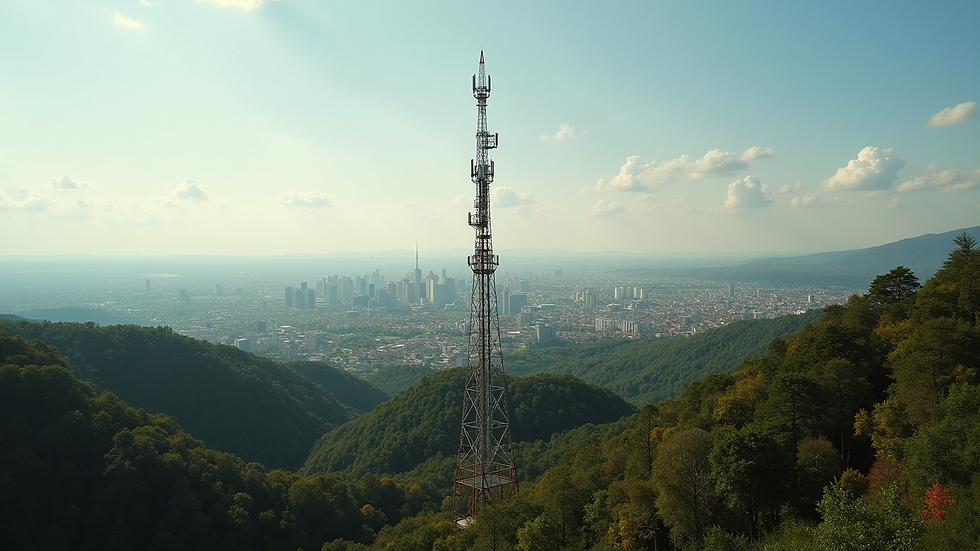
Choosing the right location for telecom towers is critical. Lidar scans provide detailed information about the terrain, vegetation, and existing structures. This data helps engineers select optimal sites for new towers, ensuring better signal coverage.
Network Planning
Telecom companies can use Lidar data to plan their networks more effectively. By analyzing the 3D maps, they can identify areas with high demand and plan for future expansions.
Infrastructure Inspection
Regular inspections of telecom infrastructure are essential for maintaining service quality. Lidar technology allows for quick and accurate inspections of towers, antennas, and other equipment. This proactive approach helps prevent outages and service disruptions.
Environmental Impact Assessments
Before building new infrastructure, telecom companies must assess the environmental impact. Lidar scans provide valuable data for these assessments, helping companies comply with regulations and minimize their ecological footprint.
Emergency Response
In the event of natural disasters, telecom infrastructure can be severely affected. Lidar technology can quickly assess damage and help companies plan for repairs and recovery efforts.
Real-World Examples
Several telecom companies are already leveraging Lidar technology to enhance their operations. Here are a few notable examples:
Example 1: AT&T
AT&T has integrated Lidar technology into its network planning process. By using Lidar scans, they can identify optimal tower locations and improve their overall network efficiency. This approach has led to better service for customers and reduced operational costs.
Example 2: Verizon
Verizon has utilized Lidar for infrastructure inspections. By regularly scanning their towers and equipment, they can identify maintenance needs before they escalate. This proactive approach has improved service reliability and customer satisfaction.
Example 3: T-Mobile
T-Mobile has adopted Lidar technology for environmental impact assessments. By using detailed scans, they can ensure compliance with regulations while minimizing their impact on the environment. This commitment to sustainability resonates with their customer base.
The Future of Telecom with Lidar Technology
As Lidar technology continues to evolve, its applications in the telecom industry will expand. Here are some trends to watch for in the coming years:
Increased Adoption
More telecom companies will likely adopt Lidar technology as its benefits become more apparent. This trend will lead to improved services and more efficient operations across the industry.
Integration with Other Technologies
Lidar technology will increasingly be integrated with other technologies, such as artificial intelligence and machine learning. This integration will enhance data analysis and decision-making processes.
Enhanced Data Visualization
As Lidar technology advances, the ability to visualize data will improve. Telecom companies will be able to create even more detailed and interactive maps, aiding in planning and design.
Focus on Sustainability
With growing concerns about environmental impact, telecom companies will prioritize sustainable practices. Lidar technology will play a crucial role in minimizing ecological footprints and ensuring compliance with regulations.
Embracing the Change
The telecom industry is on the brink of a significant transformation, thanks to Lidar scanning technology. By embracing this innovation, companies can enhance their infrastructure, improve service quality, and reduce costs.
As we move forward, it is essential for telecom companies to stay ahead of the curve. By investing in Lidar technology, they can ensure they are well-equipped to meet the demands of an ever-evolving market.
In conclusion, Lidar scanning technology is not just a trend; it is a game-changer for the telecom industry. By leveraging its capabilities, companies can revolutionize their infrastructure and provide better services to their customers. The future of telecom is bright, and Lidar is leading the way.


Comments